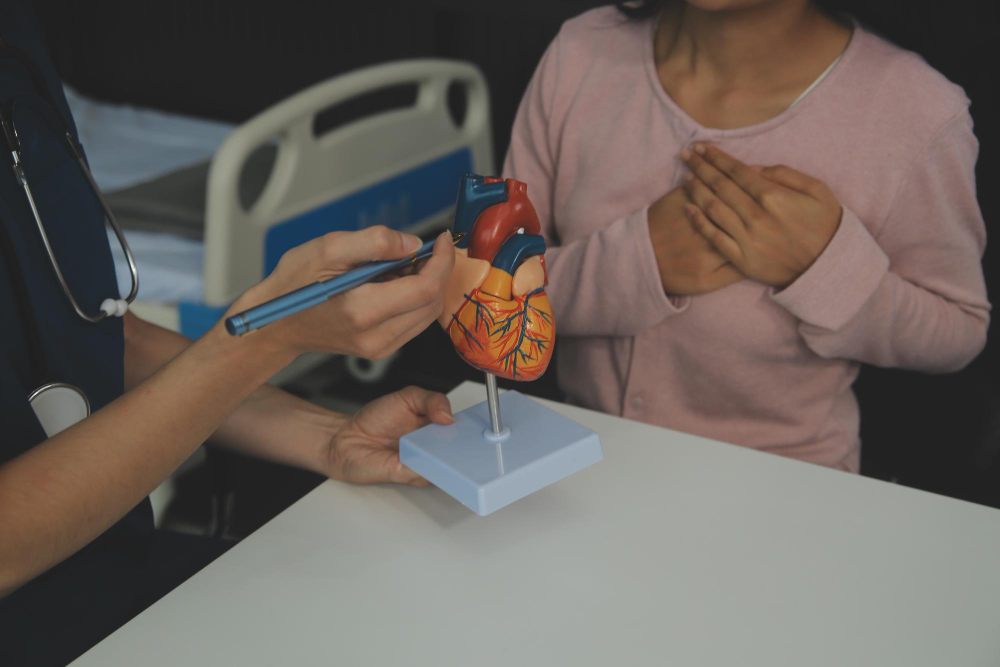
What Is Heart Failure?
Heart failure is a condition where the heart cannot pump blood as well as it should. Because of this, the body may not get enough oxygen and nutrients. Although the name sounds scary, heart failure does not mean the heart has stopped working. Instead, it means the heart is weaker or stiffer than normal. Early detection and treatment can help people live longer and feel better.
Common Symptoms of Heart Failure
Recognizing heart failure symptoms early is important. Some people may not notice symptoms at first. However, as the condition worsens, signs become more obvious. Watch for these symptoms:
For example, if you notice swelling or trouble breathing, talk to your doctor soon. Early care can prevent serious problems.
Causes of Heart Failure
Many health problems can lead to heart failure. Sometimes, more than one cause is involved. The most common causes of heart failure include:
Because these causes are common, regular check-ups are important. Managing these conditions can lower your risk.
Risk Factors for Heart Failure
Some people are more likely to develop heart failure. Knowing your risk can help you take action. Key risk factors include:
If you have any of these risk factors, talk to your doctor. Early steps can make a big difference.
How Is Heart Failure Diagnosed?
Doctors use several tests to find out if you have heart failure. First, they will ask about your symptoms and medical history. Next, they may do a physical exam. After that, they may order tests such as:
Because early diagnosis helps, do not delay if you notice symptoms. According to the CDC, early treatment can improve quality of life.
Heart Failure Treatment Options
Treatment for heart failure aims to help the heart work better and reduce symptoms. Doctors may suggest a mix of medical and lifestyle treatments. Common options include:
Medical Treatments
Lifestyle Changes
Because each person is different, your doctor will create a plan that fits your needs.
Prevention Tips for Heart Failure
While not all cases can be prevented, you can lower your risk. Try these tips:
Because prevention is easier than treatment, start healthy habits early.
When to Seek Medical Help
If you notice new or worsening symptoms, seek help right away. Warning signs include:
For example, if you have trouble breathing or chest pain, call emergency services. Quick action can save lives.
Conclusion
Heart failure is a serious but manageable condition. With early care, many people live full lives. If you have symptoms or risk factors, do not wait. Consult a cardiologist Dr. Ashish Kumar for personalized advice on heart failure.