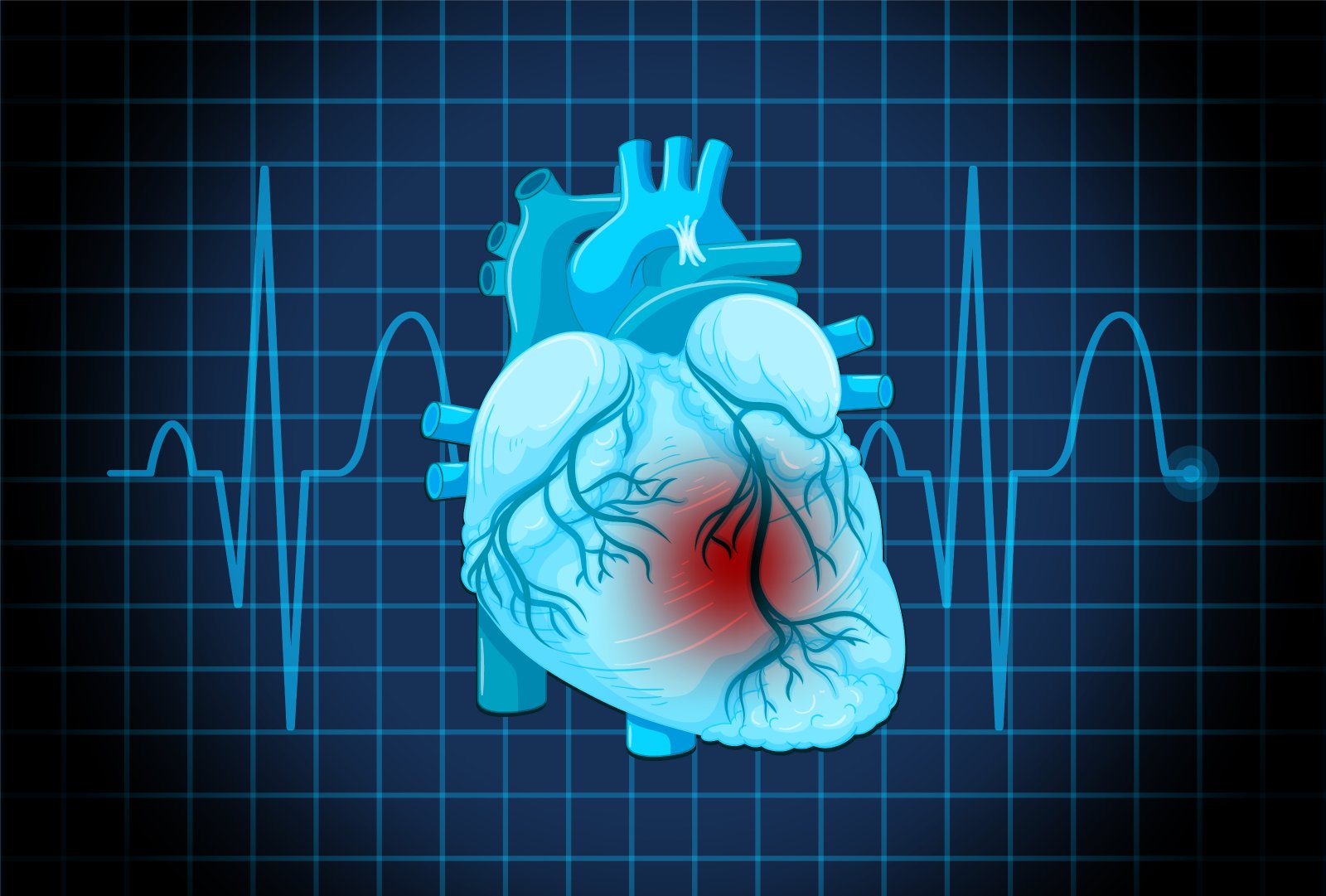
What is EP Ablation?
EP Ablation, also called electrophysiology ablation, is a heart rhythm treatment. Doctors use it to fix abnormal heartbeats, known as arrhythmias. During this procedure, they use thin wires called catheters. These catheters deliver energy to small areas of heart tissue. As a result, the abnormal signals causing the arrhythmia are stopped. EP Ablation can help many people live better lives. According to the American Heart Association, this treatment is safe and effective for many heart rhythm problems.
Common Symptoms and Conditions Treated with EP Ablation
Many people with heart rhythm problems may notice certain symptoms. For example, you might feel:
EP Ablation is often used to treat these conditions:
However, not everyone with these symptoms needs EP Ablation. Your doctor will help decide if it is right for you.
Causes and Risk Factors for Needing EP Ablation
Heart rhythm problems can happen for many reasons. Sometimes, they are caused by changes in the heart’s electrical system. Other times, they may be linked to:
Additionally, some people are born with extra electrical pathways in the heart. This can lead to arrhythmias that may need catheter ablation for arrhythmia.
How EP Ablation is Diagnosed and When It Is Recommended
Doctors use several tests to find out if you need EP Ablation. First, they may do an electrocardiogram (ECG) to check your heart’s rhythm. Sometimes, you may need a Holter monitor to record your heartbeat over a day or two. In some cases, an EP study and ablation are done together. During an EP study, doctors map your heart’s electrical signals. If they find a problem, they may do ablation right away. EP Ablation is usually recommended when:
Always talk to your doctor to see if this treatment is right for you.
The EP Ablation Procedure: What to Expect
Before the procedure, your doctor will explain what will happen. Usually, you will be asked not to eat or drink for several hours. During EP Ablation, you will lie on a table in a special room. Doctors will give you medicine to help you relax. Then, they insert catheters through a vein, often in your groin. These catheters are guided to your heart. Next, the doctor finds the area causing the abnormal rhythm. Energy, such as heat or cold, is used to destroy this small area. The procedure usually takes two to four hours. Most people go home the same day or the next day.
Recovery, Aftercare, and Lifestyle Guidance
After EP Ablation, you will rest for a few hours. Your doctor will check your heart rhythm and watch for any problems. Most people can return to normal activities within a few days. However, you should avoid heavy lifting for about a week. To help your heart stay healthy, consider these tips:
With proper care, many people feel better after EP Ablation.
Potential Risks and Complications
Like any procedure, EP Ablation has some risks. However, serious problems are rare. Possible risks include:
Your doctor will discuss these risks with you before the procedure. Most people recover without major issues, according to the CDC and leading heart centers.
Prevention and Tips for Heart Health
While not all heart rhythm problems can be prevented, you can lower your risk. For example, you can:
Additionally, regular check-ups help catch problems early. Good heart health habits can make a big difference.
Conclusion
In summary, EP Ablation is a safe and effective way to treat many heart rhythm problems. If you have symptoms or concerns, do not wait. Consult a heart specialist Dr Ashish Kumar for personalized guidance on EP Ablation and heart health.