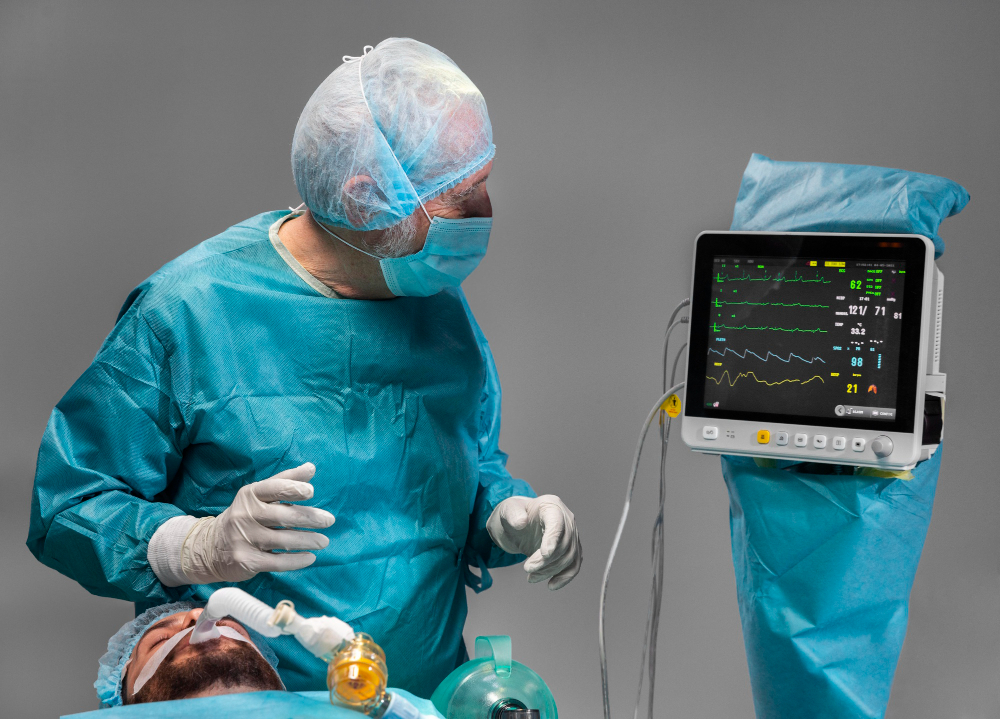
What is EP Ablation?
EP ablation is a medical procedure that treats irregular heartbeats. Doctors also call it cardiac ablation or heart rhythm treatment. During this procedure, a doctor uses special tools to find and fix areas in the heart that cause abnormal rhythms. As a result, the heart can beat normally again. According to the American Heart Association, EP ablation is a safe and common way to treat many heart rhythm problems.
Common Symptoms and Conditions Treated with EP Ablation
Many people experience symptoms before needing EP ablation. For example, you may notice:
Doctors use EP ablation to treat several heart rhythm conditions, such as:
These conditions can make daily life hard. However, EP ablation can help restore a normal heartbeat.
Causes and Risk Factors Leading to EP Ablation
Several factors can lead to heart rhythm problems. For instance, some people are born with heart issues. Others may develop problems due to:
As people age, the risk of heart rhythm issues increases. Therefore, regular check-ups are important, especially if you have these risk factors.
How EP Ablation is Diagnosed and When It Is Recommended
Doctors use several tests to diagnose heart rhythm problems. For example, they may use:
After reviewing your symptoms and test results, your doctor may suggest EP ablation. Usually, it is recommended if:
Always discuss your options with your doctor before deciding.
The EP Ablation Procedure: What to Expect
Before the Procedure
Before EP ablation, your doctor will explain the process. You may need to stop certain medicines. In addition, you should not eat or drink for several hours before the procedure.
During the Procedure
During EP ablation, you will lie on a table. Doctors will give you medicine to help you relax. They insert thin tubes, called catheters, into a blood vessel in your groin or arm. These catheters travel to your heart. Next, the doctor uses heat or cold energy to destroy the small area causing the abnormal rhythm. The procedure usually takes two to four hours.
After the Procedure
After EP ablation, you will rest in a recovery area. Nurses will watch your heart and blood pressure. Most people go home the same day, but some may stay overnight. You may feel tired for a few days. However, most people return to normal activities within a week.
Benefits and Potential Risks of EP Ablation
EP ablation offers many benefits. For example, it can:
However, like any procedure, there are risks. Some possible risks include:
According to the CDC, EP ablation is safe for most people. Still, you should talk to your doctor about your personal risks.
Recovery, Aftercare, and Lifestyle Tips Post-Ablation
After EP ablation, recovery is usually quick. Here are some tips to help you heal:
Most people feel better within a week. However, always follow your doctor’s advice for a safe recovery. If you notice chest pain, fever, or severe swelling, call your doctor right away.
Prevention and Heart Health Guidance
Even after EP ablation, it is important to care for your heart. For example, you can:
Regular check-ups help catch problems early. In summary, healthy habits can lower your risk of future heart rhythm issues.
Conclusion
EP ablation is a safe and effective heart rhythm treatment for many people. It can improve your quality of life and reduce symptoms. However, every person is different. Consult a cardiologist Dr. Ashish Kumar for personalized advice about EP ablation.